Parallels For Mac Frozen
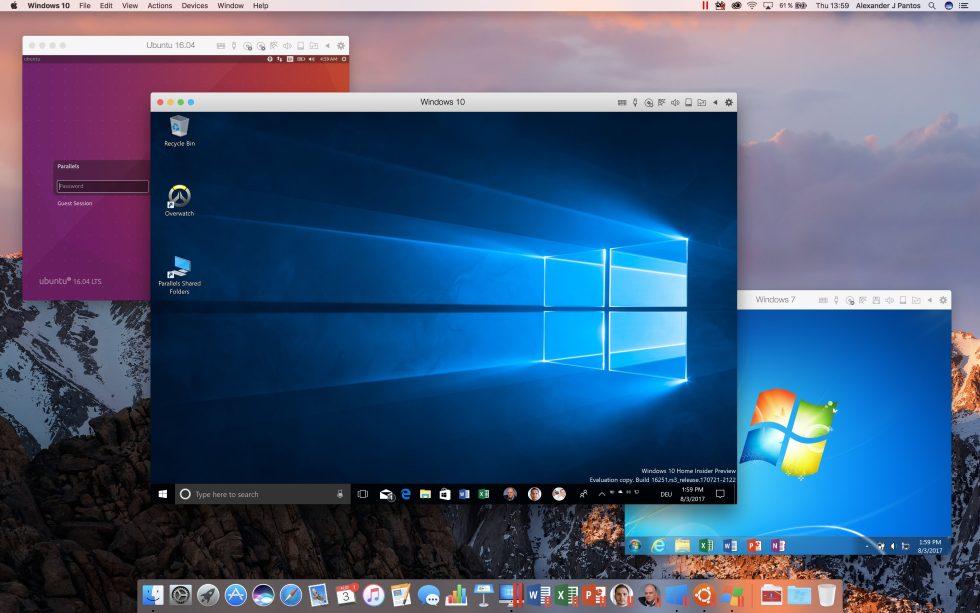
Parallels Desktop for Mac lets you run Windows and Windows apps on your Mac, shoulder to shoulder with OS X. /how-to-install-parallels-desktop-10-for-mac.html.
Parallels Desktop 14 is the most powerful solution for running Windows and Windows applications on Mac with significantly less disk, memory, and CPU usage. For more information, view the What’s New in Parallels Desktop 14 for Mac user guide. Parallels Desktop 14 for Mac is fully compatible with macOS 10.14 Mojave. Older Parallels Desktop versions* only partially support working on macOS Mojave due to technical reasons and the following issues may occur (included but not limited to). Parallels Desktop 14 ® for Mac makes it easier than ever to get back space on your Mac! Get up to 20 GB back with new disk usage optimization. Get up to 20 GB back with new disk usage optimization. Automatically reorganize your virtual disk to increase limits for optimal storage savings. Aug 25, 2015 Parallels 11 is a polished virtualisation solution that allows Mac users to switch easily between OS X and Windows apps, regardless of which operating system they were written for. /parallels-desktop-for-mac-11-vs-10.html. Parallels this week continued the yearly upgrade cycle for its popular OS X virtualization software with the release of Parallels Desktop 11 (hereafter referred to simply as “Parallels 11”).
- Parallels Desktop was slow; but it was still, in my opinion, the best and easiest way to run Windows and Windows apps on a Mac without having to constantly reboot the machine. 4.5 out of 5 The current version – Parallels Desktop 14 – is by far – the best version of the virtualization environment yet.
- Parallels Desktop 14 is the fastest, easiest, and most powerful application for running Windows applications on a Mac without rebooting. Optimized for macOS Mojave, Parallels Desktop 14 for Mac lets you save up to 20 GB disk space and start Windows and applications up to 35% faster.
My Mac OS installation frozen. Instead of having to reboot into Windows on the Mac I can just use Fusion or Parallels to run that bootcamp partition as a vm. Currently running parallels on my Mac, and am trying to install Microsoft Office on the PC portion of my computer. Accidentally put the wrong disc in (didn't have a product key) and am stuck on the product key screen on my PC. Tried restarting the parallels and my Mac, but cannot get off this page.
Pros
VM setup choices: With Parallels Desktop for Mac, you can set up a virtual machine by using a Windows 10 disc image; by migrating Windows from a PC, either over a network or from an external hard drive; or by using the version of Windows you installed with Apple's Boot Camp, if you previously went through that process. Or you can run a second copy of OS X, earlier versions of Windows, or Chrome OS in the Parallels virtual machine.
Choice of views: After setup, select how you want to see and work with Windows. If you choose the Coherence view, Parallels folds Windows into OS X, placing a collection of Windows controls in the OS X menu bar and dock, giving you access to the Start menu, Action Center, and System Tray icons. Exiting the Coherence view presents the traditional Windows desktop and apps gathered in a separate window. Either way, it's easy to move between OS X and Windows environments.
Solid integration: Through Parallels, you have quick access to the Windows 10 Store and the Edge browser and the ability to call on Cortana for help. Copy and paste works seamlessly between environments.
Cons
Almost too well integrated: The Coherence view sweeps away the Windows desktop, but the way it merges the Windows and OS X environments can feel cluttered, with Windows and OS X controls crowded into the menu bar, for example.
Bottom Line
Parallels Desktop for Mac does a good job of letting you work in the OS X and Windows environments simultaneously, switching between Mac and Windows apps. You have several options for how to blend Windows into OS X, although at times the merged OSes can feel a bit crowded.
Parallel's For Mac
